How Robotics Are Redefining Efficiency and Sustainability in Construction
Increases in productivity and environmental considerations will be the primary motivators for implementing robotics in the coming years
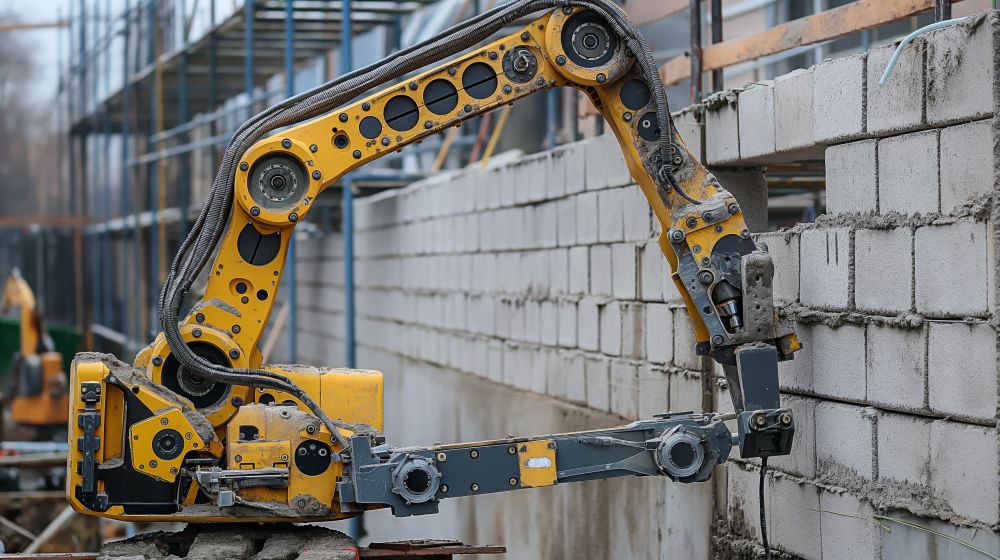
In recent years, construction teams have relied on robotic technologies for many tasks. Moving forward, increases in productivity and environmental considerations will be the primary motivators for implementing robotics in the coming years. What trends that elevate current construction robotics can you expect to see?
Advancements in Efficiency
Safety and technological advancements have significantly improved robot efficiency. Whether you work with the latest robotic heat welders or up-and-coming tools like soft exosuits, you can reduce workloads and automate tiring tasks, expediting project development and creation.
Safety in Robotics
Reducing absenteeism and workers’ compensation claims are some of the most effective ways to combat efficiency losses and downtime. Therefore, having robots shoulder the most dangerous parts of construction can empower your teams to work smarter.
For example, demolition robots and robotic heat welders could remove negative stereotypes associated with the field regarding intensive working conditions. Novel roofing robots, such as the innovative Rufus, install shingles. Rufus easily works on sloped surfaces without exposing contractors to one of the most significant safety concerns — falling. Similarly, other bots operate cranes and transport thousands of pounds of rebar without stopping for a break.
Construction could add $1.5 trillion to its global economic impact by heightening productivity. Supplementing your team with robots that can handle the most dangerous tasks in the sector could help.
Soft Exosuits
Imagine a construction site where workers can lift heavy objects, dig trenches, clear debris or assemble structures without fear of straining a muscle or even being sore at the end of their shift. With wearable robotics, that is possible. This technology is automating workforces and alleviating the backbreaking burdens of your daily task list.
Repetitive motions, prolonged vibration and awkward positions can lead to work-related injuries, taking skilled professionals out of the workforce. Even if their absence is temporary, it can affect efficiency and productivity, causing unplanned downtime and lengthening project timelines.
Soft exosuits and exoskeletons can improve posture and provide extra support for a person’s knees, shoulders or lower back, preventing overexertion.
A study from a Harvard startup spanned multiple years and showed how robots can make you stronger. The project focused on people-centric robotics by designing a backpack-like robot to help construction workers ease back pain. It decreased lower back and hip injuries by 85% and boosted productivity by 3%-7%.
Progress in Sustainability
The robots you work with can minimize carbon footprints and save resources despite requiring tons of metals and energy.
Responsible Artificial Intelligence-Powered Robotics
Robotic AI can give your team valuable information – for instance, what materials and composites could be the most eco-friendly for a riverside office building. After one survey, it could consider every environmental detail and risk. Unfortunately, AI’s carbon footprint is enormous, distracting from the gains it could bring to sustainable construction.
If you adopted AI-powered robotics today, you would have to offset the power and water its hardware consumes to be truly sustainable.
The emerging field of green AI may soon provide a solution. Optimizing the hardware and the data centers algorithms rely on can maximize energy efficiency and minimize environmental impact. As this technology continues developing, it is possible it will become more eco-friendly and cost-effective, making it a more sustainable investment.
After reducing the resource demands of AI, it can help sustainable construction. Waste sorting is a primary application, among others. The AI-powered robot makes waste collection and organization more accurate. It identifies waste streams, automates categorization, and lowers generation.
Digital Twins for Upcycling Buildings
The Census Bureau reported 15.1 million vacant homes in the U.S. in 2022, and this number doesn’t even account for abandoned commercial buildings. Construction professionals are already leveraging some of these structures to promote green futures, such as converting old coal plants to make renewable energy generators.
One-to-one retrofits are rarely possible, though a robot could collect a structure’s information to construct a digital twin. Many buildings need renovations or complete gutting to be compatible with a more eco-friendly alternative.
Digital twins are one of the best tools for auditing a structure’s potential for a blueprint, reducing energy consumption by 38%. If the software includes machine learning algorithms, it can show which scenarios deliver success, oversights in existing ideas, and suggestions for further decarbonization.
Construction Innovations with an Impact
If you pay attention to robotic developments, you will notice shifting priorities. Stakeholders want multifaceted machines that work efficiently without hurting the planet, and these revolutionary ideas are sending construction into this era.
Robotics are a strong tool for construction businesses, but only if you make them relevant and easy to use. Then, lead times will shorten, waste generation will plummet, and workers will enjoy a higher quality of life.
- Share This →